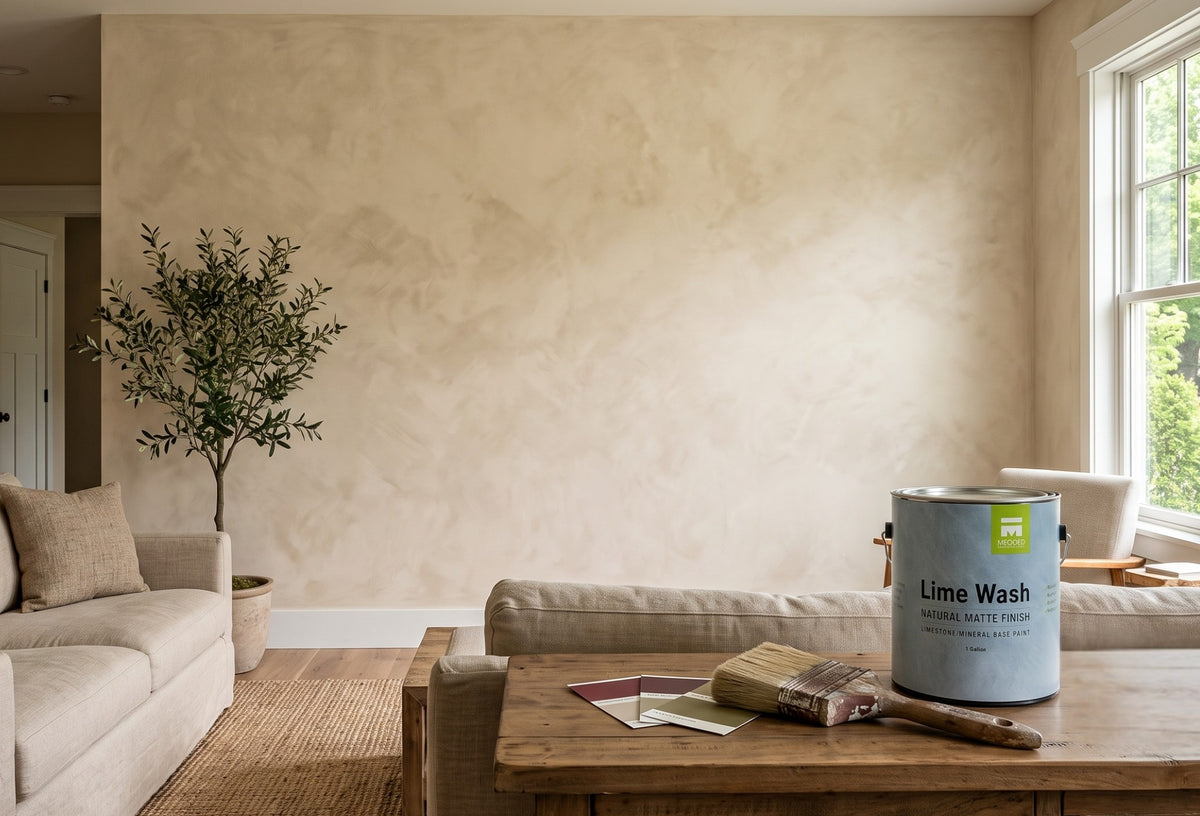
Paint the room in this order to help avoid some common mistakes to make your project go smoothly.
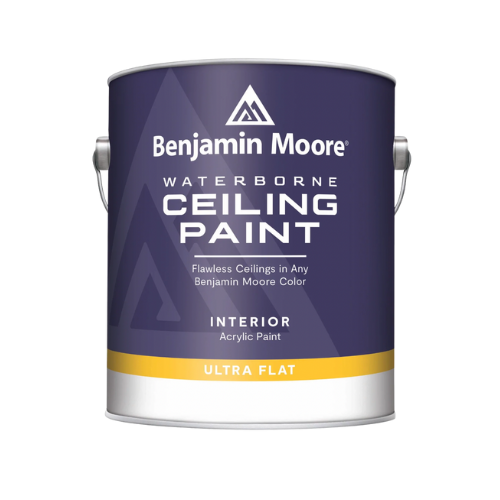
1. Start by painting the ceiling, this way if paint drips on the walls, that won't be a problem since you will be painting the walls afterward. If you are going to paint two coats on the ceiling, apply both coats before you start the walls.
Remember the golden rule: Make sure the first coat is dry before you start the second.
2. Next, paint the walls. If you paint two coats, finish both coats before moving on to the windows.
3. Paint the windows from top to bottom, leaving the windowsills for last.
4. Paint the radiator, the baseboards, and the doorframe.
5. Paint the door. Leaving the doorway for last allows you to avoid walking past wet paint as you work. Painting in this order will help your project go smoother and involve less clean-up.
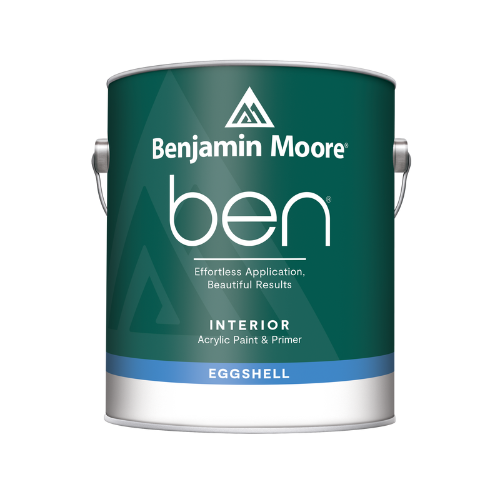
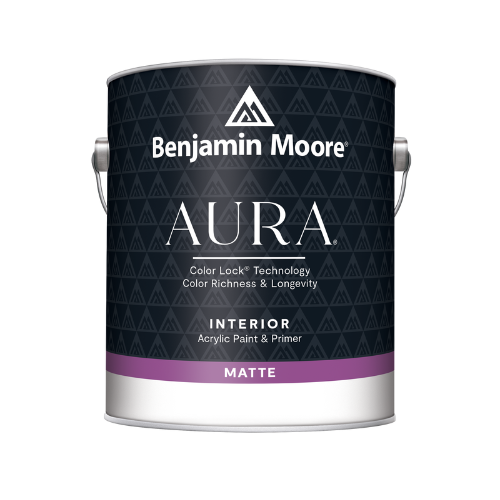
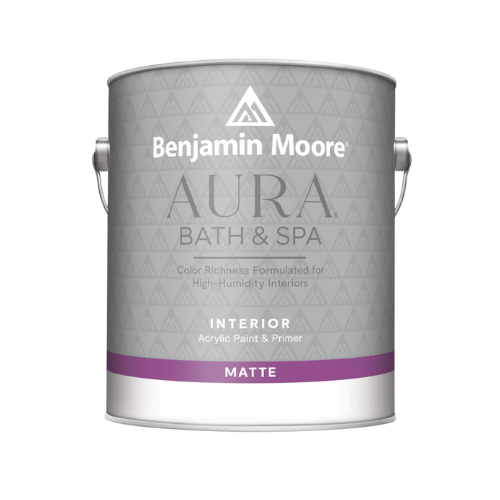
For best results, ALWAYS READ THE PAINT CAN LABEL. Professionals read the paint can labels to get the paint manufacturers’ most up-to-date information and instructions on the use of each specific paint. Every paint is different, and the labels provide important information, such as the average coverage area per gallon, drying times, number of coats needed, and surface preparation requirements. The labels also give specific safety information that should be carefully adhered to.
Downloadable PDF: Paint your room in this order