Your Cart is Empty






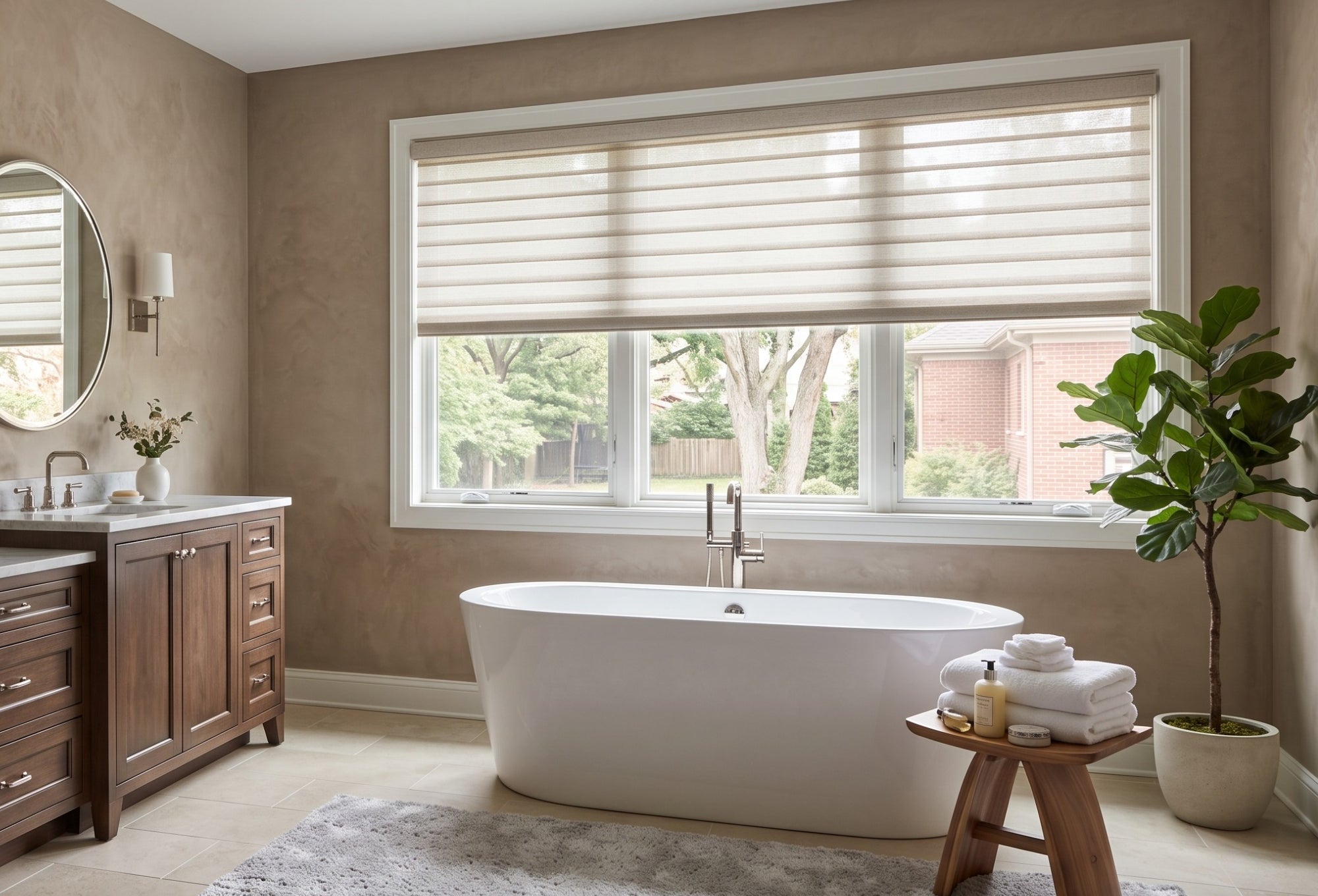
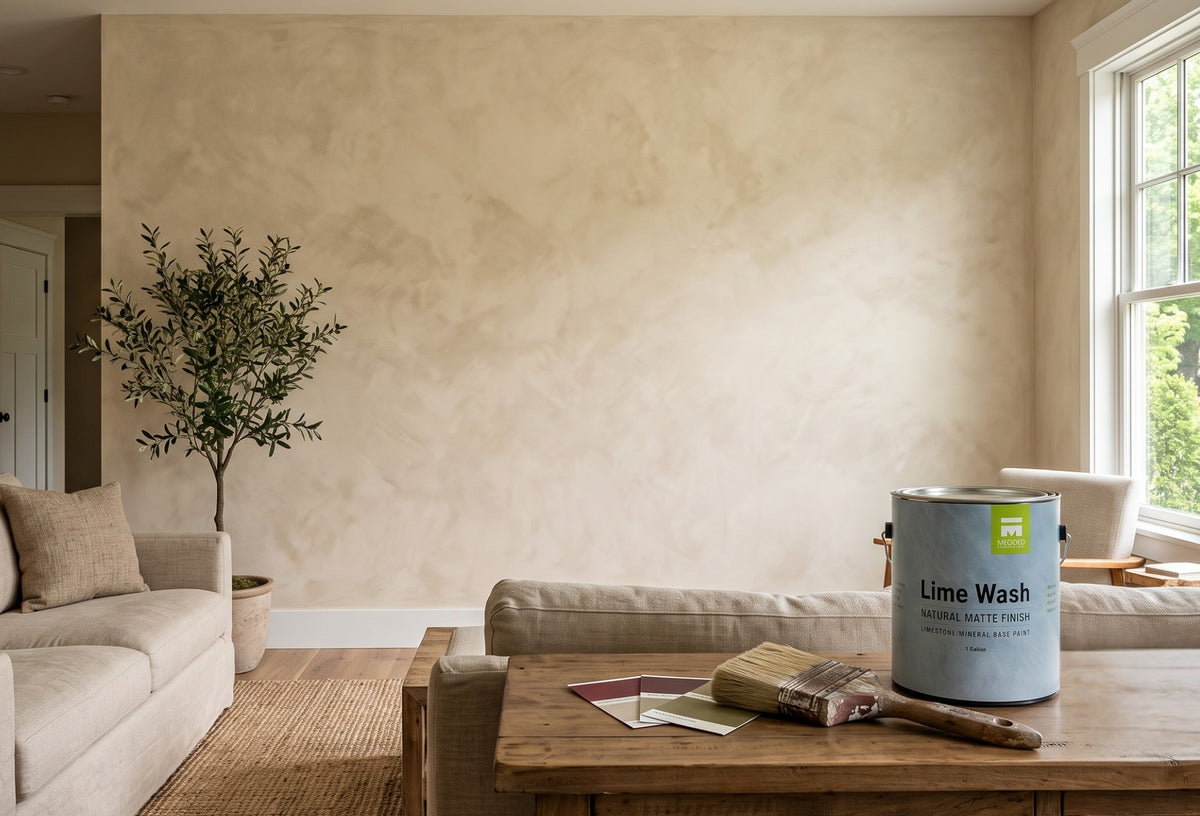
Some finishes are simply painted on. Venetian plaster is built — layer by layer, by hand. This centuries-old wall treatment traces back to Italy, and to Venice in particular, where breathable, moisture-resistant surfaces were prized in the humid, canal-side air. Today it's back in demand among tri-state homeowners who want walls with genuine texture, depth, and Old-World character rather than flat, uniform color.
What Venetian Plaster Is — and How It Works
At its heart, Venetian plaster is a decorative finish made traditionally from slaked lime and marble dust. Applied in thin, layered coats and then burnished, it develops a stone-like surface rich with depth, variation, and luminosity. The difference from ordinary paint comes down to how it's built:
- It creates dimension through layers, not color alone
- It reflects light softly and naturally
- It forms a stone-like, breathable finish
- It evolves visually as the light changes through the day

Choosing Your Finish: Lamundo, Tintoretto & Renaissance
Meoded offers three distinct Venetian plasters, each suited to a different look and setting. For high-gloss, Meoded Lamundo is the benchmark — an authentic polished plaster with a marble-like, reflective surface that suits feature walls, entryways, and upscale rooms, catching daylight with a subtle shimmer and glowing under evening light.
For a softer, contemporary look, Meoded Tintoretto — matte Venetian plaster — brings the elegance of stone without the gloss, with a velvety surface and subtle movement that ranges from smooth to lightly textured; it's well suited to bedrooms, living rooms, and minimalist spaces.
And for artistic, marbleized effects, Meoded Renaissance is an acrylic plaster made for layering, dramatic veining, and multi-tone, one-of-a-kind walls that read like natural marble, stone, or abstract art.
Surface Prep: The Step That Makes or Breaks It
Any experienced painter will tell you a finish is only as good as its prep. Venetian plaster can go over properly prepared, painted drywall — the key is using Meoded Quartz Primer first to create a sound, consistent base for the plaster to grip. Skipping proper prep is the fastest way to compromise an otherwise beautiful finish.
Why Technique Matters — and Why to Hire a Pro
Venetian plaster is a high-skill, artisan finish, not a standard paint job. The result depends heavily on trowel technique, the layering process, the timing and pressure used during burnishing, and a working understanding of how the material behaves. A professional applicator ensures consistent, high-end results, proper surface preparation, long-lasting durability, and the exact aesthetic you're after. Put simply, this is as much about craftsmanship as it is about the product.
Watch a Venetian plaster application reel →

Texture, Color & the Play of Light
With paint, color carries the room. With Venetian plaster, texture is just as important. The trowel work, layering, and burnishing create movement that shifts with the light — soft tonal variation by morning, greater depth and sheen by evening — and lends dimension even to quiet, neutral tones. It's a living surface, not a static coat of color.
88 Colors and Custom Tinting
Meoded plasters offer real flexibility: 88 curated colors built for modern interiors, plus custom tinting to match any vision, across styles from warm Mediterranean to sleek contemporary. Whether the goal is a calm neutral or a bold statement, the finish can be dialed in to a fully custom look.
A Note on Wet Areas
Traditional lime-based plasters are breathable and moisture-resistant, and they hold up well in humid spaces when properly finished — but they aren't fully waterproof unless sealed. For showers and other wet zones, use a water-resistant microcement plaster like Meoded Concretta.

A DIY-Friendly Starting Point: Moroccan Clay
Not ready for full Venetian plaster? Meoded Moroccan Clay is a more forgiving, beginner-friendly material with a natural, matte, earthy finish and organic movement — a smart way to get comfortable with texture before advancing to more demanding plaster techniques.
Visit Ricciardi Brothers
Serving New Jersey, Pennsylvania, and Delaware for generations, Ricciardi Brothers can help you plan a Venetian plaster project from prep to finish. Stop by a tri-state location to see Meoded finishes and colors firsthand and get expert advice from our team.
Learn More About Venetian Plaster →
Learn More About Acrylic Venetian Plaster →
Meoded Venetian Plaster
Frequently asked questions
What is Venetian plaster made of?
Traditionally, it's made from slaked lime and marble dust. Applied in thin, layered coats and burnished, it forms a durable, stone-like surface with depth and luminosity — a mineral-based composition that's part of what makes it so long-lasting.
How long does Venetian plaster last?
Applied correctly, it can last for decades. Its mineral-based makeup makes it highly durable and resistant to everyday wear, which is a big part of its long-term value.
Can Venetian plaster be applied over drywall?
Yes. It can be applied over properly prepared, painted drywall, provided you first use Meoded Quartz Primer to establish a sound, consistent base.
Should I hire a professional applicator?
For true Venetian plaster, it's strongly recommended. The finish depends on trowel technique, layering, and precise burnishing, so a skilled applicator is the surest path to consistent, durable, high-end results.
Is Venetian plaster waterproof?
Lime-based plasters are breathable and moisture-resistant but not fully waterproof unless sealed. They do well in humid areas when properly finished; for showers, use a water-resistant microcement like Meoded Concretta.
Planning a plaster project? Bring your questions into any Ricciardi Brothers location — we'll walk through prep, product, and finding the right applicator.