Your Cart is Empty




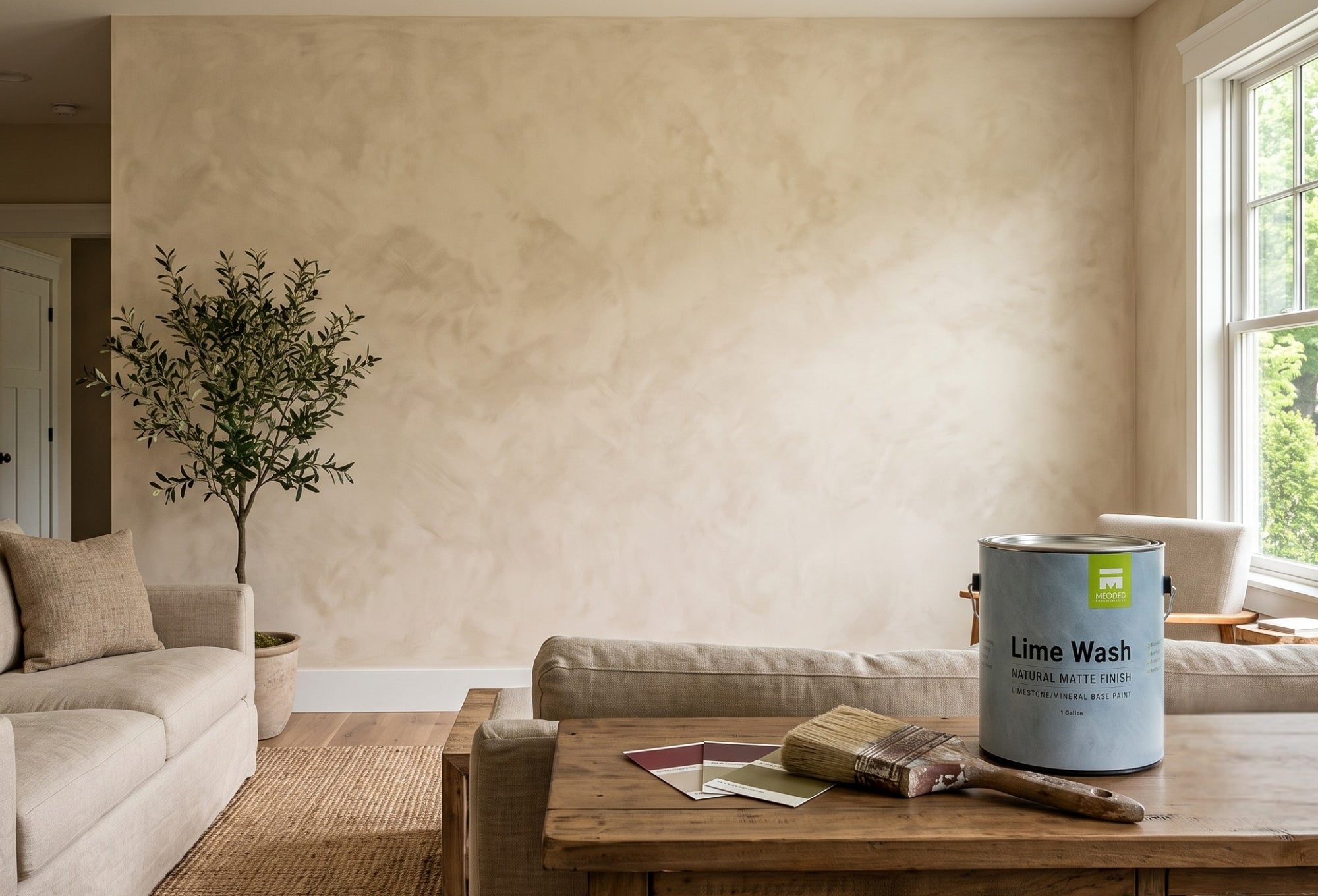
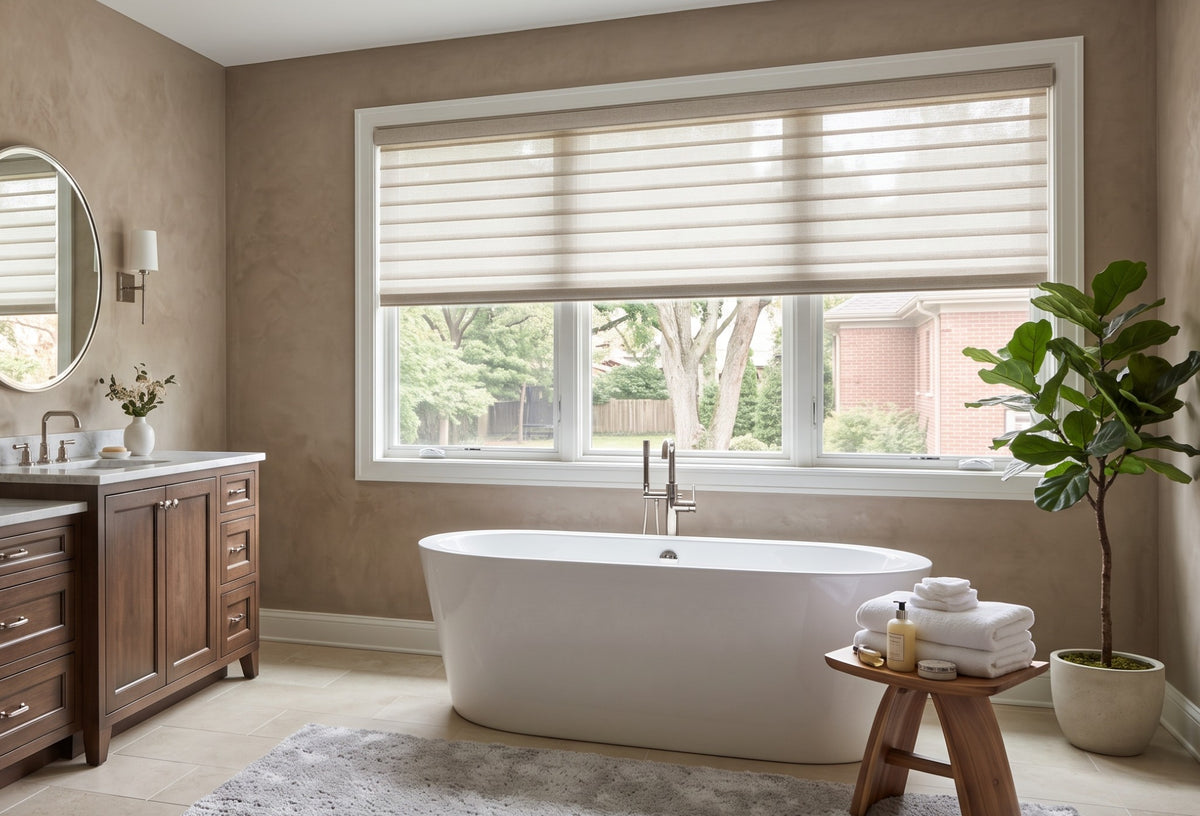
Few finishes carry as much history — or as much quiet drama — as lime wash paint. Also called lime paint, it has been used on walls for centuries, and it's earning a fresh following among homeowners who want texture and soul rather than flat, uniform color. The material itself is elegantly simple: natural limestone, crushed, burned, and aged into a putty, then thinned with water into a breathable mineral paint. Applied by hand, it leaves behind a soft, matte surface with the kind of movement no synthetic can reproduce.
The Story Behind the Finish
Lime wash predates modern paint by a wide margin, and its appeal comes from chemistry as much as craft. Because it's made from slaked lime rather than plastic resin, it bonds with the wall on a microscopic level and lets the surface breathe — releasing moisture instead of sealing it in. That's why lime wash naturally resists mold and mildew and ages so gracefully, developing character over time instead of simply wearing out.
Authentic vs. Imitation: Why Meoded Matters
As lime wash has grown popular, so have synthetic look-alikes, and it's worth knowing the difference. Meoded Lime Wash is a genuine mineral paint made with slaked lime and rich pigment, engineered to work in harmony with plaster, drywall, and masonry. The result has a depth and luminosity the imitations can't match. Meoded offers nearly 80 designer-curated shades, with custom tinting available to match virtually any project.
Surface Prep & the Base Coat
Any seasoned painter will tell you the finish is only as good as the prep. Meoded's Lime Wash Base Coat was formulated specifically to promote adhesion and even absorption. You can forgo it over light-colored flat or matte paint, but it's strongly recommended over glossy, satin, semi-gloss, or dark finishes. The base coat evens out the wall's porosity, prevents patchy spots, and helps the lime wash develop its full tonal range.
Meoded Lime Wash | Photo & Video : @adelinainteriors
Mastering the Cross-Hatch Application
Technique is where lime wash comes alive. Use a block brush and work in a cross-hatch pattern — overlapping strokes laid in different directions, freehand. That motion builds the signature cloudy, dimensional look. Dilute the first coat slightly if the surface or the effect calls for it, but apply the second coat undiluted for fuller saturation and more pronounced movement. Let every coat dry completely before the next to protect the integrity of the finish.
The Double-Color Technique for Extra Depth
For walls with real presence, try layering one color at two strengths. Lighten a second bucket of Meoded Lime Wash by 25–50%, then apply both the full-strength and lightened versions in irregular clouds across the surface. Blend them with soft, sweeping motions and the variation produces a natural patina and a heightened sense of texture — a painterly result that feels custom-made.

Meoded Lime Wash in Red Wine | Photo: Nick Glimenakis for Architectural Digest
Our Five Best-Selling Lime Wash Shades
With nearly 80 shades and custom tinting on offer, there's no shortage of options. A few that move fastest at our counters:
- Red Wine — a bold burgundy for moody, romantic rooms; recently featured in Architectural Digest's Small Spaces.
- Brushed Linen — a warm, versatile neutral.
- Rose — a dusty pink with old-world elegance.
- Olive — an earthy, sophisticated green.
- Villa — a refined, sunwashed European neutral.
Lime Wash vs. Venetian Plaster
People often lump these traditional finishes together, but they part ways in texture and application. Venetian plaster is a thick, trowel-applied material burnished to a smooth, stone- or marble-like sheen. Lime wash is thin and brush-applied, soaking into the wall to leave a soft, matte, cloud-like surface. It's meant to echo the movement of tinted lime plaster with a far more accessible application — and because it's a painted finish, it suits renters and homeowners alike.
Understanding Mineral-Based Paint
Mineral paints rely on natural, earth-derived ingredients — lime, clay, or silicates — rather than the synthetic resins in ordinary paint. They bond with the surface at a microscopic level and allow walls to breathe, producing a matte, highly durable finish that resists mold and bacteria and improves with age. Lime wash is the most popular mineral paint of all, valued for its velvety texture and the depth and movement it brings without any shine.
Meoded Lime Wash | Photo & Video : @pulpanperspective
Visit Ricciardi Brothers
Serving the tri-state area for generations, Ricciardi Brothers can help you get lime wash right from prep to final coat. Stop by a location in New Jersey, Pennsylvania, or Delaware to see Meoded colors firsthand and pick up everything you need.
Meoded Lime Wash
Frequently asked questions
What is lime wash paint made of?
Lime wash paint is made from natural limestone that has been crushed, burned, and aged into a putty, then thinned with water. It's a mineral-based paint built on slaked lime and pigment rather than the synthetic resins found in conventional paint.
How do you apply lime wash paint?
Apply it with a block brush in a cross-hatch pattern — loose, overlapping strokes in varying directions that create the signature cloudy look. The first coat can be diluted slightly, while the second coat should be undiluted for richer color. Let each coat dry fully before the next.
When should you use a lime wash base coat?
A base coat isn't required over light-colored flat or matte walls, but it's strongly recommended over glossy, satin, semi-gloss, or dark finishes. Meoded's Lime Wash Base Coat improves adhesion, evens out porosity, and prevents patchiness for a more consistent result.
What is the double-color lime wash technique?
It's a layering method for added depth: lighten a second batch of the same color by 25 to 50 percent, then apply both the full-strength and lightened versions in irregular clouds and blend them with soft, sweeping strokes. The result is a natural patina with heightened texture.
How is lime wash different from Venetian plaster?
Venetian plaster is a thick, trowel-applied finish burnished to a smooth, marble-like sheen. Lime wash is thin and brush-applied, soaking into the wall for a soft, matte, cloud-like effect. Lime wash is easier to apply and, as a painted finish, friendlier for renters.
Still deciding on a shade? Bring your question into any Ricciardi Brothers location — we'll match the color and walk through prep with you.